The invasions of India by the Turks and the Afghans were often marked by violence and plunder. However, the invasions of the Mongols were considered even more destructive. Mongol campaigns across Asia and Europe caused immense devastation, and their armies killed millions of people regardless of religion.
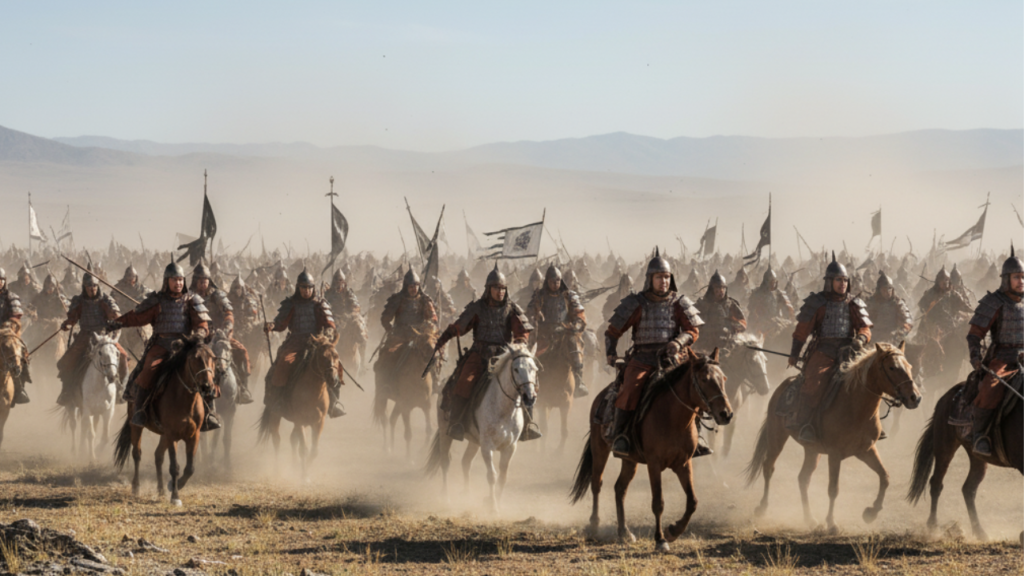
The most famous Mongol leader was Genghis Khan, who established the vast Mongol Empire in the thirteenth century. Some historical estimates suggest that his conquests resulted in the deaths of tens of millions of people. Genghis Khan himself was not a Muslim, although many Mongol groups later adopted Islam.
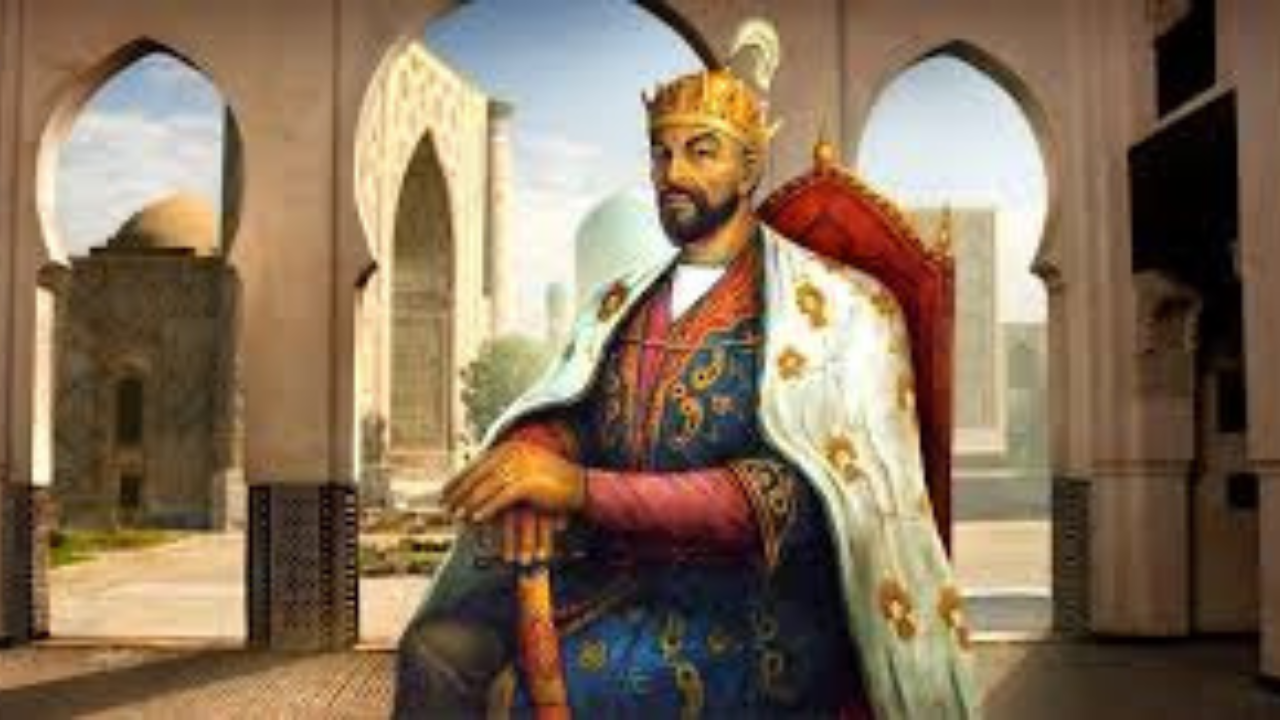
One of the later conquerors associated with the Mongol tradition was Timur. Timur claimed descent from Genghis Khan through his lineage. Because he suffered an injury to his leg and walked with a limp, he became known as Timur the Lame, which in Persian gave rise to the name “Tamerlane.” Timur ruled a powerful empire with his capital at Samarkand.
When Timur invaded India in 1398, the country was already under the rule of the Delhi Sultanate. At that time the Sultanate was in decline and was ruled by Nasir-ud-Din Mahmud Shah Tughluq. Timur’s primary objective in invading India was not to establish a permanent kingdom but to plunder wealth and assert his military dominance.
In 1398, Timur entered India after crossing the Indus River near Attock. He joined his grandson Pir Muhammad at Multan, which had already been captured.
As Timur advanced toward Delhi, his army carried out widespread destruction. In November 1398, he attacked Bhatner, where the fort was destroyed and many inhabitants were massacred. Contemporary accounts suggest that thousands of people were killed.
Timur’s army continued its campaign of plunder and enslavement, capturing large numbers of prisoners during its march toward Delhi. Before the decisive confrontation with the Delhi Sultanate, Timur ordered the execution of many of these captives, fearing that they might revolt during the battle.
In the Battle of Delhi (1398), the forces of Sultan Mahmud Shah were defeated and Delhi fell into Timur’s hands. For several days, the city was subjected to looting, mass killings, and destruction, leaving much of Delhi devastated.
Despite the destruction, Timur admired the architecture and craftsmanship of the city. He ordered that skilled artisans and craftsmen be taken to Samarkand to assist in constructing monumental buildings there, including the famous congregational mosque known as the Bibi-Khanym Mosque.
After plundering Delhi, Timur began his return journey through regions such as Meerut, Haridwar, and Agra, continuing to loot settlements along the way. Having caused immense destruction and carried away vast wealth, Timur finally returned to his capital at Samarkand.