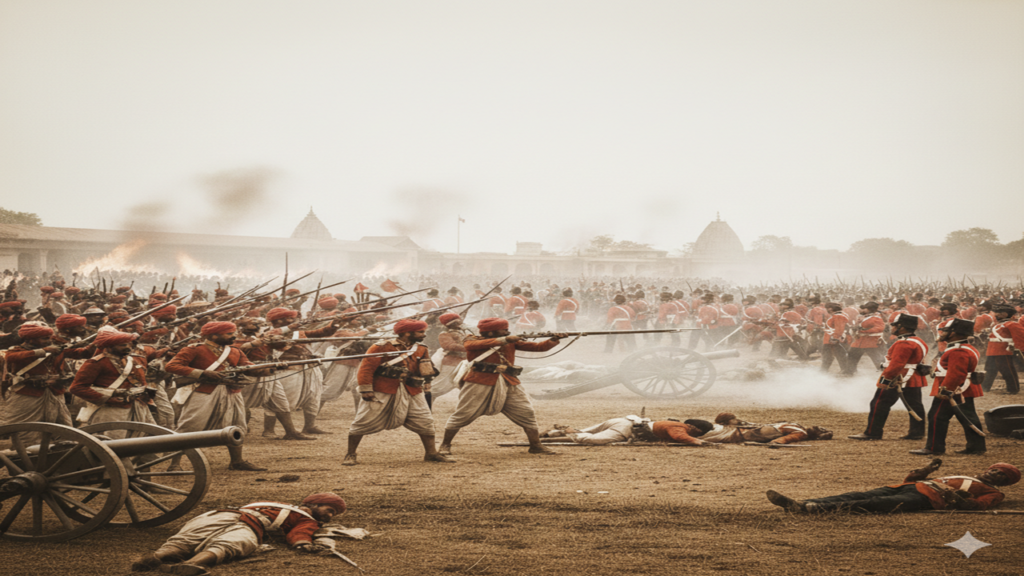
When most Rajput rulers accepted the sovereignty of Akbar and became his jagirdars and mansabdars, the only major ruler who refused to submit was Maharana Pratap of Mewar. For this reason, he became a lasting symbol of independence and sacrifice.
Akbar, in the true sense, consolidated and expanded the Mughal Empire. Rajput kingdoms such as Amber, Ranthambore, Bikaner, and Jaisalmer accepted Akbar’s suzerainty, entered into matrimonial alliances with him, and enjoyed positions of power and privilege within the Mughal administration. However, Mewar stood apart in its resistance.
Mewar was then ruled by Udai Singh II, the son of Rana Sanga. In 1567, Akbar personally led the siege of Chittor. After a prolonged siege of four months, the fort finally fell. The Rajputs fought bravely under the leadership of Jaimal and Patta. When defeat became inevitable, the women committed jauhar, and the Rajput warriors fought to the death. After the victory, Akbar ordered a massacre in which thousands of inhabitants were killed. Udai Singh had already retreated to the hills to continue resistance.
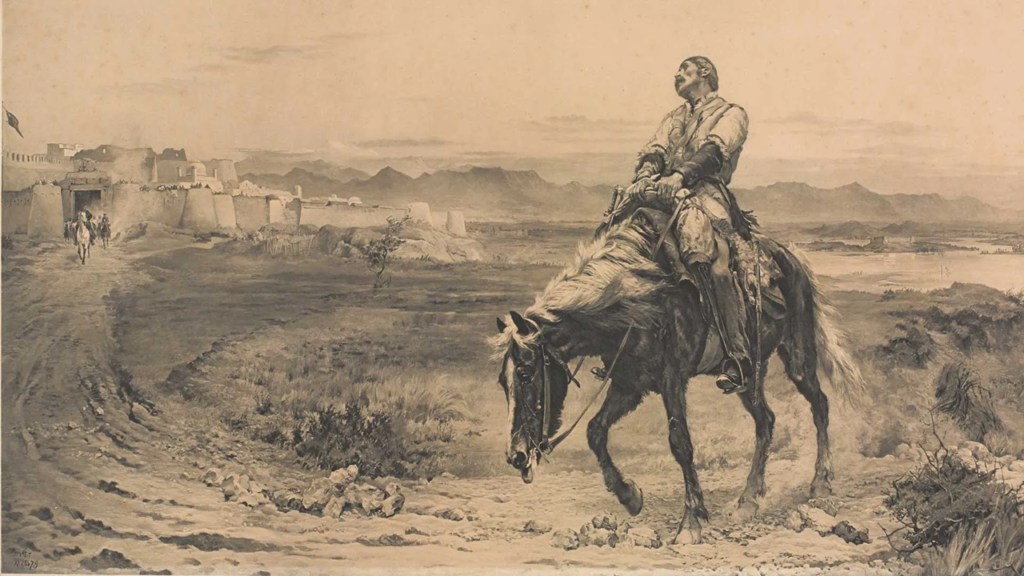
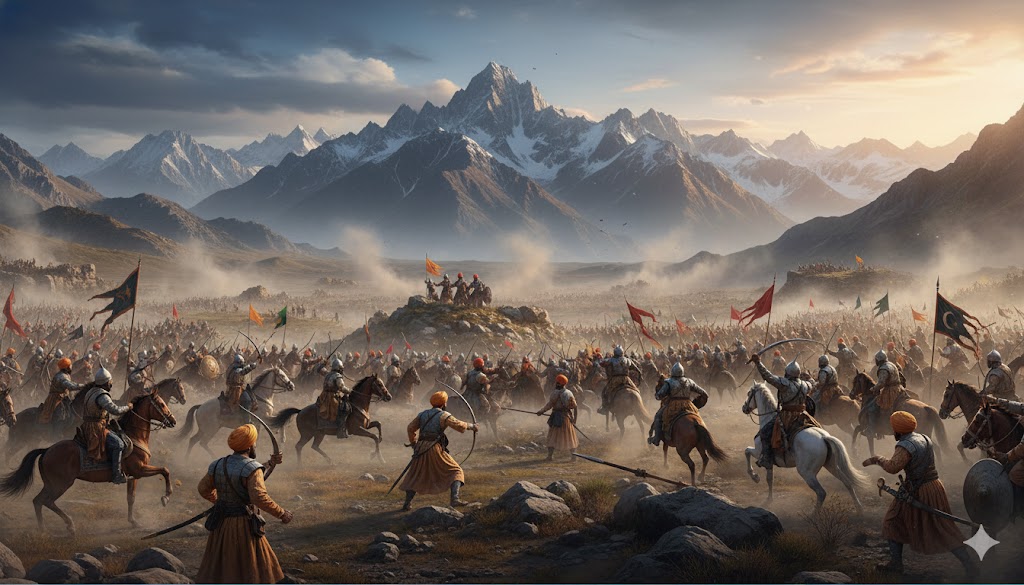
After Udai Singh’s death, Maharana Pratap ascended the throne. Akbar sent several emissaries to persuade him to accept Mughal sovereignty, but Maharana Pratap firmly refused. Determined to subdue Mewar, Akbar dispatched a large army under Man Singh I. In the Battle of Haldighati in 1576, Maharana Pratap confronted the Mughal forces. Though he fought valiantly, he was defeated. However, he managed to escape, and his loyal horse Chetak carried him to safety before dying from injuries—an episode that became legendary.
Realising the military strength of the Mughals, Maharana Pratap adopted guerrilla warfare. Through persistent resistance and strategic tactics, he gradually recovered most parts of Mewar except Chittor and Mandalgarh. He established a new capital at Chavand and continued to challenge Mughal authority. Despite repeated campaigns by Mughal generals, Maharana Pratap was never fully subdued.
He continued to rule as an independent sovereign until his death in 1597, securing his place in history as one of India’s greatest symbols of courage, resistance, and military leadership.