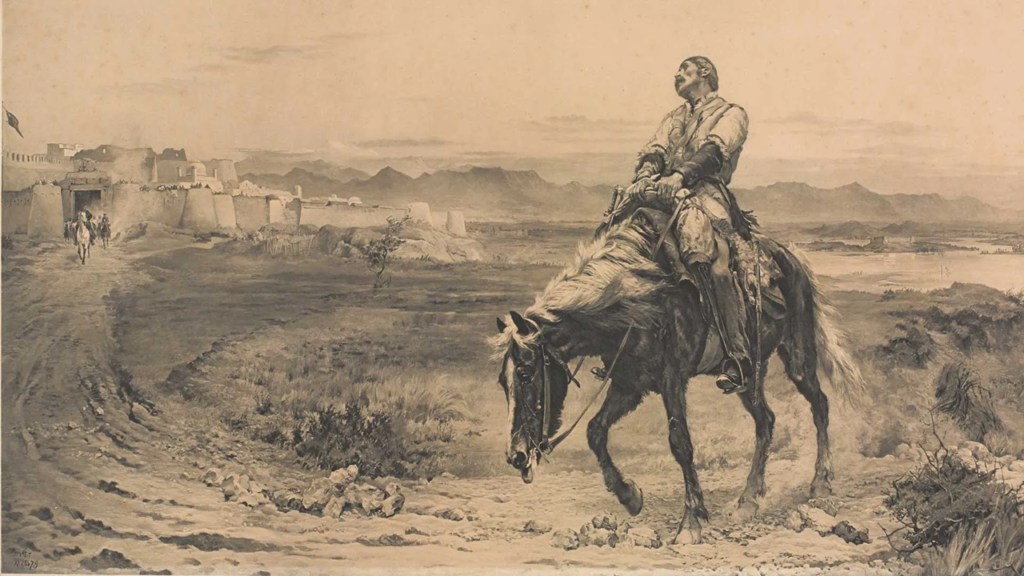
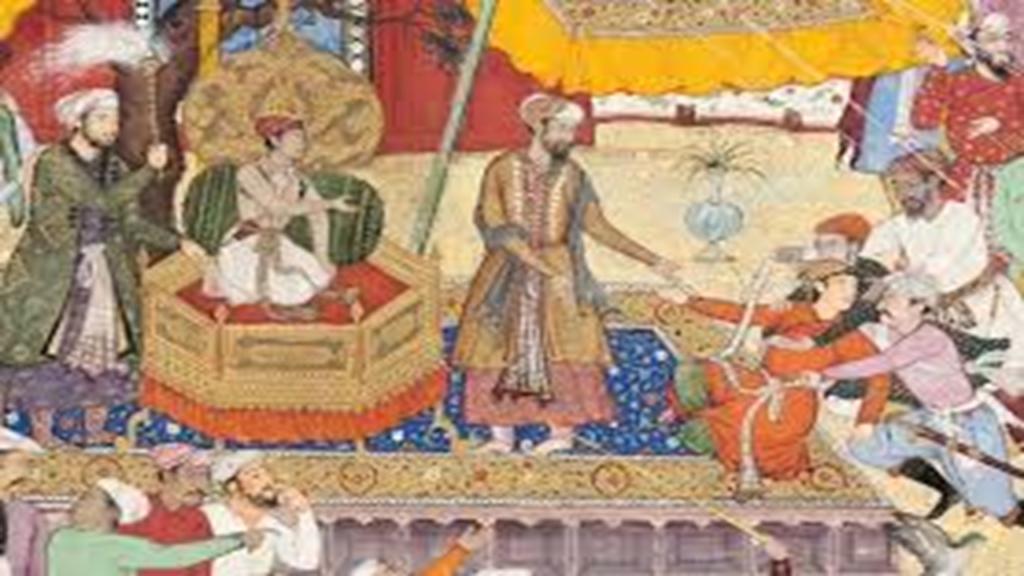
East India Company has subjugated whole Indian sub-continent till 1857 directly or indirectly. Some of territories had been integrated in British Empire directly while some of territories were controlled through subsidiary alliances. East India company faced its biggest challenge during revolt of 1857 wherein sepoys, disgruntled kings and oppressed peasants participated in great numbers.
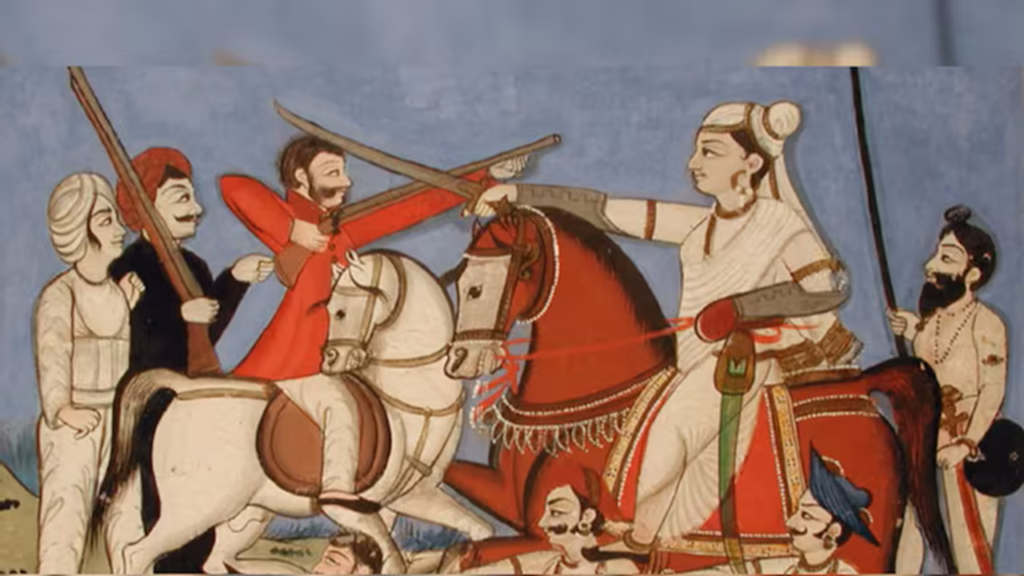
India sepoys had been appointed in great numbers and were instrumental in expansion of British empire but they were not treated as equivalent as that of British soldiers. They were considered inferior to British Soldiers. Indian soldiers were not promoted to higher positions.
Further, East India Company had introduced Enfield rifle. The cartridges used in this rifle has to be bitten by mouth before pouring gunpowder into it. When it came to knowledge of Indian Sepoys that these cartridges had fat of cow and pig, sentiments of both Hindus and Muslim sepoys were hurt as cow and pig are treated as religiously sacred among and Hindus and Muslims respectively. This was not acceptable to Indian Sepoys and became immediate cause of revolt.
Dalhousie who was governor general of India from 1848 till 1856 had adopted policy of aggressive annexation of Indian Territories. He had introduced the policy of doctrine of lapse. Under this policy if there was not male heir of a princely state under subsidiary alliance, such princely states were merged under British empire. Adopted sons were not allowed to succeed. Jhansi, Satara and several princely states were annexed on this ground.
The pension of Nana Saheb was also stopped on the ground of Doctrine of Lapse. The office of Peshwa was abolished in 1818 and Bajirao II was exiled to Bithur near Kanpur and a pension was fixed for him. Nana Saheb was adopted son of Bajirao but he was not given pension on the ground of doctrine of lapse.
Peasants were aggrieved as burden of land revenue was increasing on them. They were being forced to pay around 50% of land revenue. There were resentment among farmers on account of that.
All these factors collectively caused revolt of 1857, which was ultimately suppressed by East India Company but it had several repercussions. The rule of East India Company ended and India came under direct control of British Government through monarch.