HOW EAST INDIA COMPANY USED SUBSIDIARY ALLIANCE AND DOCTRINE OF LAPSE AS  TOOLS OF IMPERIALISM IN INDIA ?

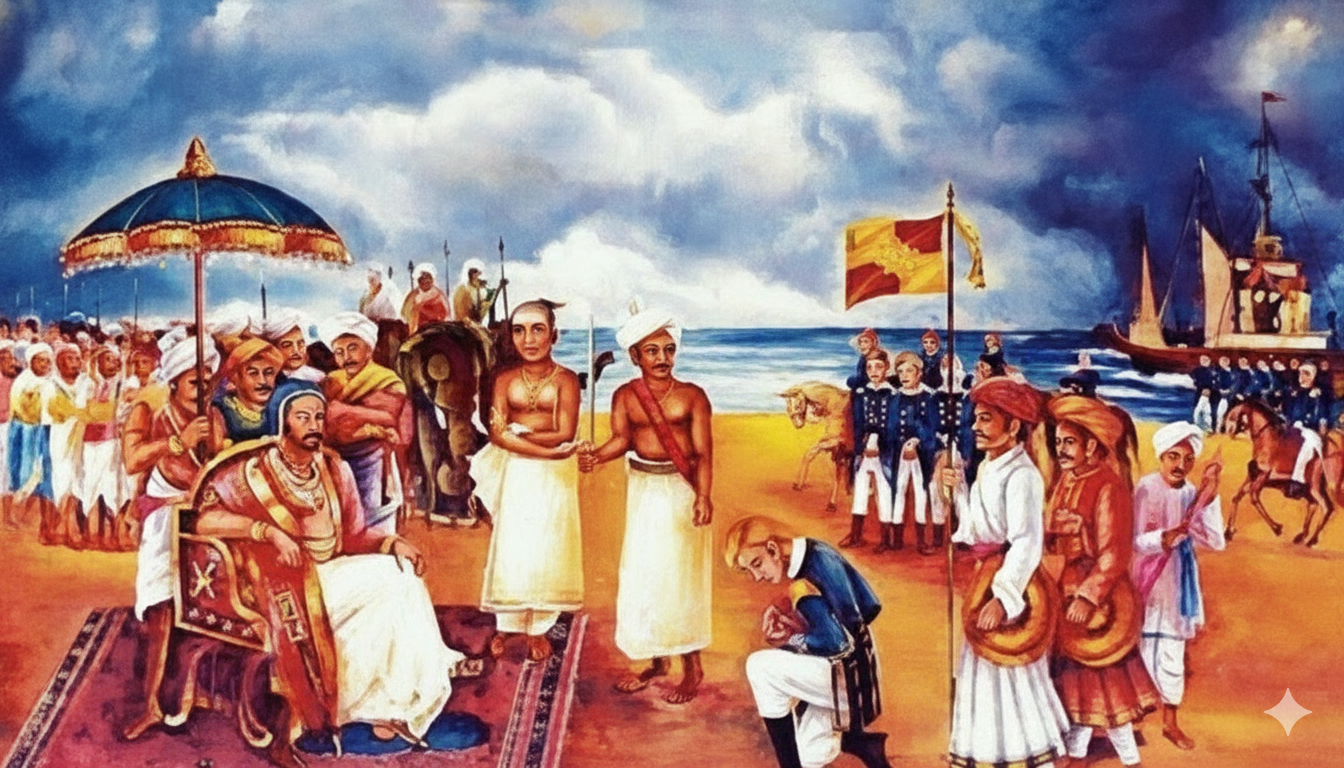
The Subsidiary Alliance and the Doctrine of Lapse were two important instruments used by the East India Company to expand its imperial control in India. While some regions such as Bengal and Punjab were annexed directly through conquest, the Company subordinated many other states through the system of subsidiary alliances. The policy of Subsidiary Alliance … Read more

WHY EUROPEANS DISCOVERED SEA ROUTES TO INDIA  ?

India and China had traded with the western world since ancient times. Spices, textiles, and several other valuable products were exported to western countries. Most of this trade took place through land routes, the most famous being the Silk Route, which existed from ancient times until the 15th century. These routes were used not only … Read more

HOW MANY GRAVES WERE DUG BY SHAH JAHAN TO BECOME AN EMPEROR ?

The Mughal Empire had no fixed or settled law of succession. After the death of an emperor—and sometimes even during his lifetime—potential heirs fought among themselves for the throne. Ultimately, the prince who emerged victorious became the emperor. Shah Jahan was particularly ruthless in securing his claim to the throne. To eliminate rivals, he ordered … Read more

HOW HUMAYUN RECOVERED HIS LOST EMPIRE ?

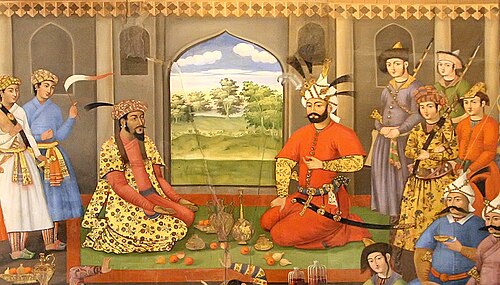
Humayun suffered severe defeats at the hands of Sher Shah Suri in the Battles of Chausa (1539) and Kannauj (1540). These losses forced him to flee successively from Agra to Delhi, then to Amarkot and Sind, before finally seeking refuge at the court of Shah Tamasp of Persia (modern-day Iran). Although Humayun lost the throne … Read more

HOW RAJPUTS KINGDOMS EXECUTED SUBSIDIARY ALLIANCES WITH EAST INDIA COMPANY WITHOUT ANY WAR  ?

Rajput kingdoms had long served as a defensive barrier on the north-western frontiers of India. However, their decline began after the defeat of Prithviraj Chauhan by Muhammad of Ghor in the Second Battle of Tarain. Prior to this, the Rajputs had ruled over large parts of northern India. During the rule of the Delhi Sultanate … Read more