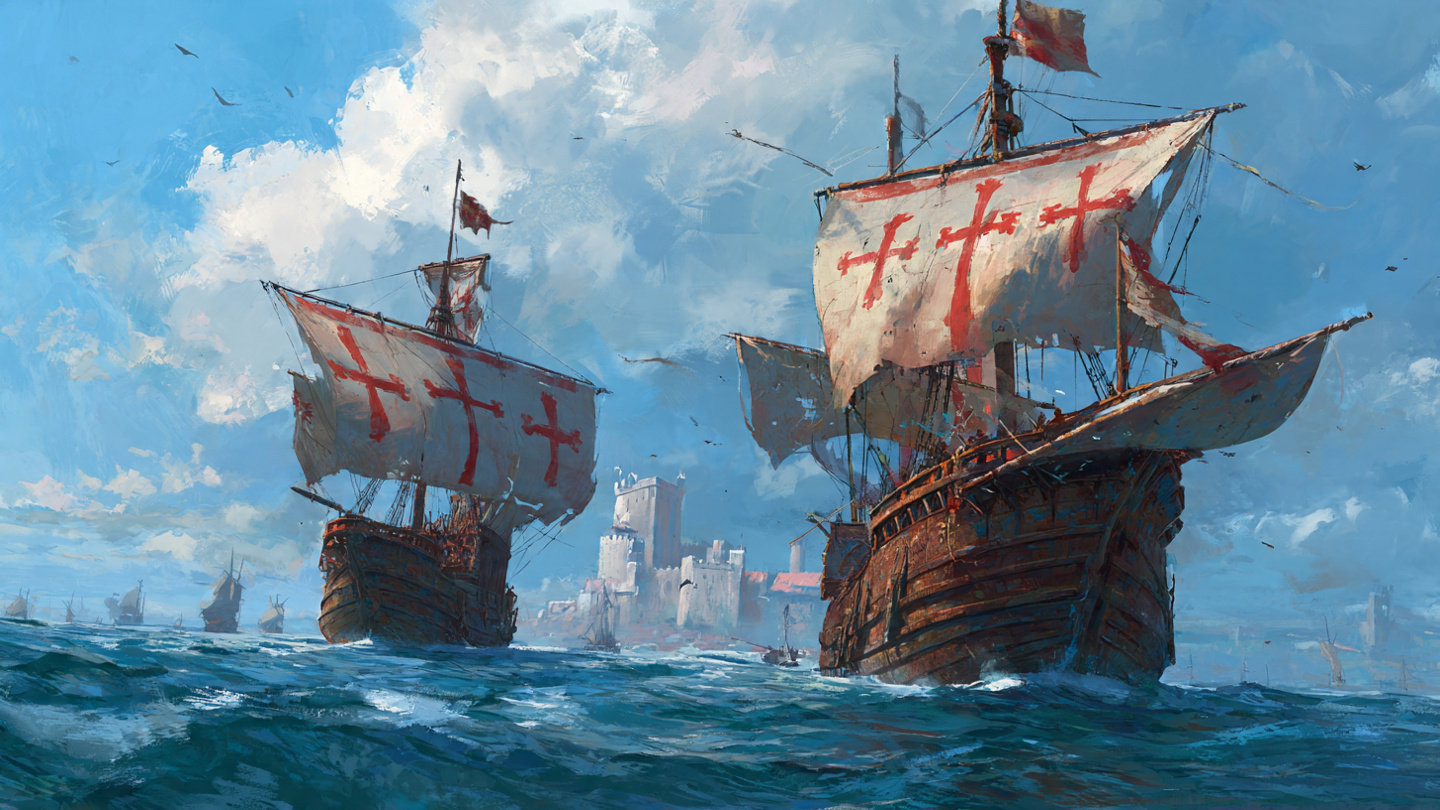
If the 16th century was the century of the Portuguese in trade with India, the 17th century belonged to the Dutch. In 1602, the Dutch East India Company, known as the VOC was formed, and it soon left behind the Portuguese and the English in Asian trade.
Dutch trade was much more diversified than Portuguese trade. The Portuguese were trading mainly within the Indian subcontinent, while the Dutch started trading with India, China, and even Japan. The Portuguese primarily traded in spices, whereas the Dutch traded in spices, textiles, saltpetre, indigo, and many other commodities. The Dutch exported textiles from India to Indonesia to buy spices. These spices were sold in Europe to earn cash, and Indian textiles were sold in Japan to earn silver.
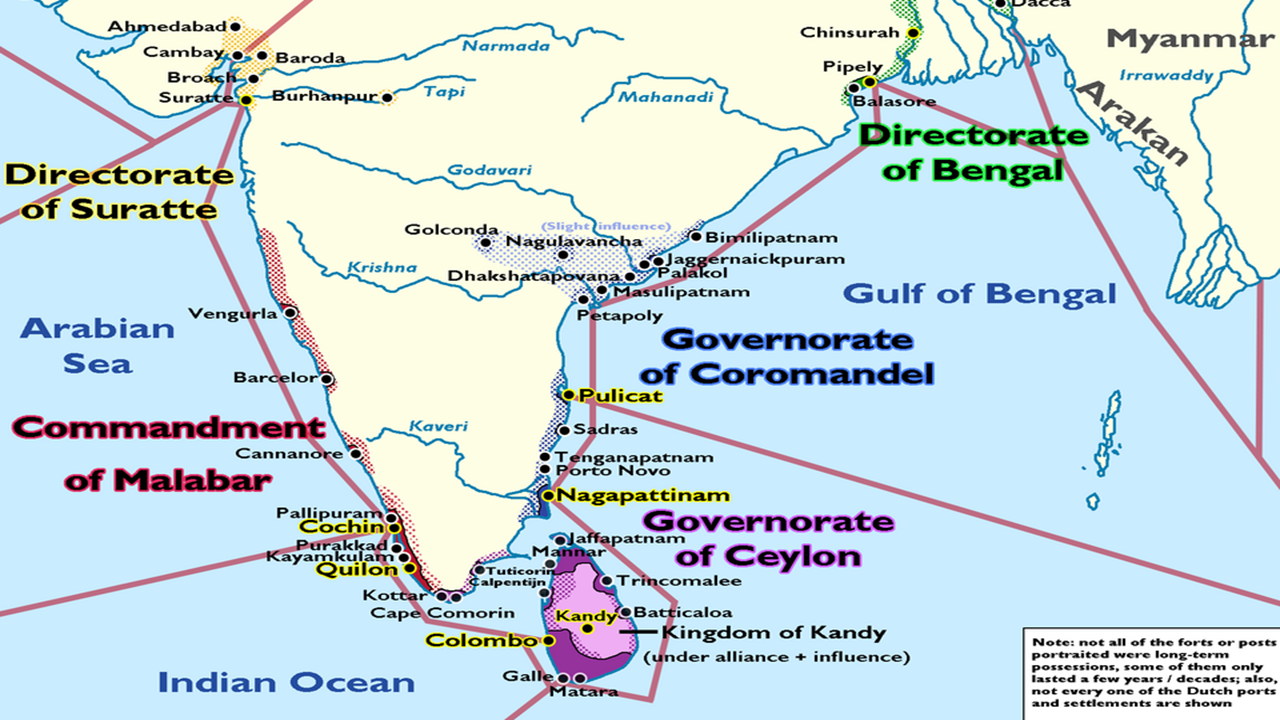
The Dutch expanded in India at the cost of the Portuguese. They marked their presence on both the east and west coasts of India. On the east coast, they established a trading centre at Masulipatam in 1605, later making Pulicat and Nagapattinam their main bases. From these centres, they exported textiles. In Bengal, they established their base at Chinsura in 1656, from where they exported textiles, silk, and saltpetre. They captured Cochin and Cannanore from the Portuguese on the Malabar Coast, from where they imported pepper. The Dutch also established a factory at Surat with Mughal permission, from where they exported textiles and indigo.
In the 18th century, Dutch trade began to decline due to their involvement in several European wars. The War of Spanish Succession disrupted Dutch trade, and Britain emerged as the strongest naval power after this war. In the Fourth Anglo-Dutch War, the Dutch naval fleet was severely destroyed. Profit margins in spices and textiles declined as England and France also entered the competition. In 1799, the VOC went bankrupt, and its administration was taken over by the Dutch government.
In 1795, France was undergoing a revolution, and the revolutionary army attacked the Netherlands. The Dutch ruler fled to England and issued the Kew Letters, handing over Dutch possessions to Britain in trust. The final blow came with Napoleon’s annexation of the Netherlands. By the Treaty of London (1824), all Dutch possessions in India were handed over to Britain, while the Dutch retained control over Indonesia.